Are you seeking a pathway to help your family improve communication, resolve conflicts, and ultimately foster healthier relationships? Family therapy services provide a supportive space where family members can better understand one another, address patterns of tension, and work together toward meaningful change. Whether your family is navigating parenting challenges, major life transitions, behavioral concerns, grief, stress, or ongoing disagreements, therapy can help create stronger connections and healthier ways to communicate.
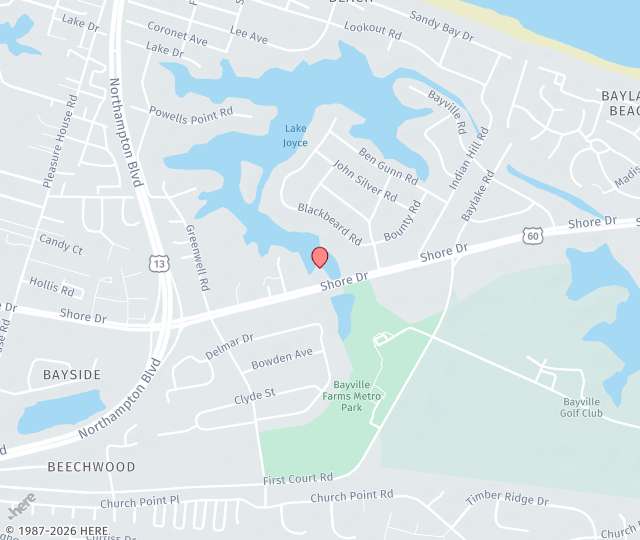
At Panacea Behavioral Health & Wellness Center, our team provides superior family counseling that can help your family not only get along well but thrive together. We offer services in Virginia Beach, VA, and via telehealth.

What is Family Counseling?
Family counseling helps family members improve their communication and resolve conflicts. At Panacea Behavioral Health & Wellness Center, your therapist guides sessions that foster an environment where you and your family members can express your thoughts and feelings openly.
Addressing various issues that affect the family unit strengthens family bonds and fosters healthier family dynamics.
Issues Family Counseling Can Address
Family counseling can address a wide range of issues, including:
-
Communication problems
-
Conflict resolution
-
Parenting issues
-
Blended family dynamics
-
Divorce or separation
-
Substance misuse
-
Mental health issues
-
Grief and loss
-
Trauma
-
Behavioral problems
No matter why you or your family desire family counseling, the mental health experts at Panacea Behavioral Health & Wellness Center can provide the guidance you and your family need.
How Family Counseling Works
Family counseling at Panacea Behavioral Health & Wellness Center typically involves the following steps:
Assessment
Your therapist gathers information about the family’s history, dynamics, and the issues they are facing.
Goal setting
Your family and therapist collaboratively set goals for therapy, outlining what each of you hopes to achieve.
Therapy sessions
Sessions usually involve all or most family members and focus on open communication, active listening, and problem-solving strategies. Techniques may include role-playing, behavior modeling, and conflict-resolution exercises.
Homework
Though homework doesn’t always sound fun, your provider may assign your family assignments to help you practice new skills and behaviors between sessions.
Progress evaluation
Your therapist regularly assesses your family’s progress toward your goals and can make adjustments as needed.
Can Family Counseling Help My Family Get Along?
Yes, family counseling should significantly improve your family’s relationship. By providing a neutral space for all members to voice their concerns and perspectives, your therapist helps identify underlying issues and behavioral patterns that contribute to conflict.
Through guided discussions and practical exercises, you and your family can learn effective communication techniques, develop empathy, and build stronger, more supportive relationships. Over time, these improved interactions lead to a more harmonious and cooperative family environment.
Why Choose Panacea Behavioral Health & Wellness Center
Family challenges can affect everyone in the household, which is why supportive, personalized care matters. At Panacea Behavioral Health & Wellness Center, compassionate mental health providers help families identify communication patterns, address conflict, and better understand each person’s needs. The goal is to create a safe, respectful space where family members can feel heard as they work toward healthier relationships.
Panacea Behavioral Health & Wellness Center takes a holistic, patient-centered approach to family therapy, supporting families through life transitions, parenting concerns, grief, stress, behavioral challenges, and relationship strain. With in-person services in Virginia Beach, VA, and telehealth services available, Panacea makes it easier for families to access meaningful support in a way that works for them.
Frequently Asked Questions
A typical family counseling session lasts about 45–60 minutes, though some sessions may run longer depending on the number of participants and the family’s needs. Your therapist will recommend an appropriate session length so everyone has time to participate and discuss important concerns.
Many families start with weekly sessions to set goals, work through challenges, and build healthier communication patterns. As relationships improve and progress is made, sessions may be scheduled every other week or less frequently. Your therapist will recommend a schedule specific to your family’s needs.
Some families begin noticing improvements in communication and understanding within the first few sessions. However, meaningful changes in long-standing behaviors or relationship patterns may require several weeks or months of counseling. The number of sessions depends on your family’s goals, the challenges involved, and everyone’s participation.
No. While involving multiple family members can be beneficial, not everyone needs to attend every appointment. Your therapist may recommend sessions with specific family members depending on the issues being addressed. The goal is to include the people whose participation will be most helpful to the counseling process.
Family counseling can still be beneficial even if one family member won’t attend. Participating family members can work on improving communication, setting healthier boundaries, and changing their responses to difficult situations. These improvements may still strengthen family relationships, even without everyone’s direct participation.
Family counseling may be available via telehealth, allowing family members to join sessions from a private, comfortable location. Virtual appointments can be especially convenient for families with busy schedules or transportation challenges. Contact Panacea Behavioral Health & Wellness Center to confirm telehealth availability and scheduling options.
Yes. Explaining family counseling in simple, age-appropriate language can help children feel more comfortable before their first appointment. Let them know that counseling provides a supportive place for family members to talk, listen, and understand one another. Explain that therapy is not punishment or a sign that anyone has done anything wrong.
Family counseling can address disagreements about parenting, household responsibilities, boundaries, communication, sibling relationships, and major life decisions. It can also help families navigate ongoing arguments, strained parent-child relationships, and challenges related to divorce or blended families. Counseling focuses on understanding different perspectives and developing healthier ways to resolve disagreements.
Yes. Family counseling sessions are generally confidential, allowing family members to discuss personal concerns in a supportive environment. However, confidentiality can be more complex when multiple family members participate. Your therapist will explain how information is handled, what may be shared between participants, and any legal exceptions to confidentiality, such as safety concerns or suspected abuse.
Yes. Your therapist may recommend individual conversations with certain family members to understand their perspectives better or address sensitive concerns. These private discussions can help the therapist better understand family dynamics. Your therapist will explain how they may use information shared individually in future family sessions.
No. A family therapist provides a balanced, supportive environment where each person’s perspective can be heard and understood. Rather than deciding who is right or wrong, your therapist helps identify unhealthy communication patterns, encourages mutual understanding, and guides family members toward more productive ways to resolve conflicts.
It is natural for family members to have different expectations or priorities when beginning counseling. Your therapist will help everyone express their concerns, identify shared goals, and respect individual needs. Through guided discussions, families can work toward solutions that address their different perspectives and improve their relationships.
Build Stronger Family Connections with Family Therapy in Virginia Beach VA
Your family does not have to navigate conflict, stress, or emotional challenges alone. Family therapy can help improve communication, strengthen understanding, and create healthier ways to work through difficult moments together.
Schedule a consultation for in-person family therapy in Virginia Beach, VA, or telehealth services.